
-
×
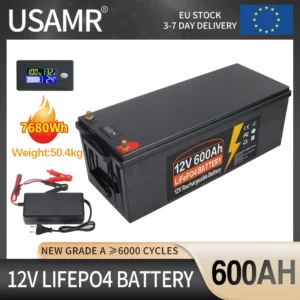
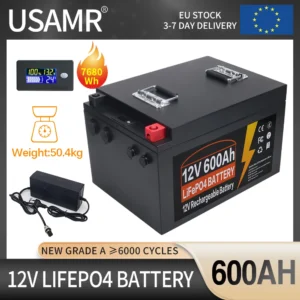 USAMR 600Ah 12V LiFePO4 Battery
1 × 749,00 €
USAMR 600Ah 12V LiFePO4 Battery
1 × 749,00 €
Subtotal: 749,00 €
Showing 51–59 of 59 resultsSorted by popularity
Welcome to your hub for electrifying your commute and adventures. We specialize in a comprehensive range of electric bikes, nimble electric scooters, versatile conversion kits to transform your existing ride, and the crucial power sources – high-performance batteries. This guide focuses specifically on understanding and selecting the ideal LiFePO4 (Lithium Iron Phosphate) batteries, renowned for their safety and longevity, to keep you moving reliably and efficiently for years to come.
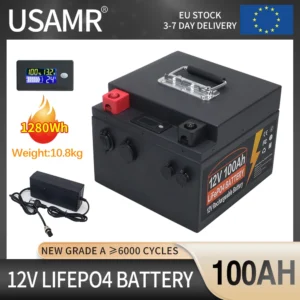
Choosing the right LiFePO4 battery begins with understanding its core specifications, as these are not interchangeable power packs. Voltage (V) is paramount; common options include 36V, 48V, and 52V, and this must match your e-bike or scooter motor’s requirements to prevent damage and ensure optimal performance. Amp-hours (Ah) directly influence your range – a higher Ah rating, like 20Ah versus 15Ah, means more potential miles per charge, though actual distance also depends on terrain and assist levels. Equally critical are the battery’s physical dimensions (length, width, height) and mounting style (e.g., frame-mounted, rack-mounted, under-deck). Carefully measure your available space to ensure a secure and proper fit.
Beyond the fundamental voltage and capacity, several other factors dictate a LiFePO4 battery’s suitability. The continuous discharge rate, often expressed in Amps (A) or a C-rate, indicates how much power the battery can deliver consistently. High-draw motors or frequent hill climbing necessitate a higher discharge capability to avoid underperformance or BMS cutoffs. Every quality LiFePO4 battery includes an integrated Battery Management System (BMS). This crucial electronic board protects against overcharging, over-discharging, over-current, and excessive temperatures, significantly enhancing safety and lifespan. Finally, pay close attention to connector types (e.g., XT60, XT90, Anderson PowerPoles) to ensure seamless, secure integration with your device’s wiring, or identify the correct adapter if needed.
When upgrading an existing e-bike, your first step is to match the original battery’s voltage precisely. Then, consider if you want similar or extended range by choosing an appropriate Ah capacity, always double-checking that the new battery’s physical dimensions and mounting points are compatible with your frame. For conversion kits, the battery is a cornerstone; its voltage must align with both the motor and controller specifications. The battery’s discharge current must also be sufficient to meet the motor’s peak power demands. For electric scooter battery replacements, form factor is often highly specific. Carefully measure your old battery, note its voltage and Ah, and consult your scooter’s manual or our detailed product descriptions to find an exact or compatible LiFePO4 replacement that fits the often-tight compartment.
 English
  German
  French
  Polish
  Danish
  Finnish
  Estonian
  Latvian
  Lithuanian