The environmental benefits of electric vehicles (EVs) are among the most compelling reasons for their increasing popularity. One of the primary advantages is the significant reduction in greenhouse gas emissions. Traditional internal combustion engine vehicles emit carbon dioxide and other harmful pollutants, contributing to climate change and air quality degradation.
In contrast, EVs produce zero tailpipe emissions, which means they do not release harmful substances into the atmosphere while being driven. This shift is particularly crucial in urban areas, where air pollution from vehicles can lead to serious health issues, including respiratory diseases and cardiovascular problems. Moreover, the environmental advantages of EVs extend beyond just emissions during operation.
The production of electricity for charging can also be sourced from renewable energy, such as solar, wind, and hydroelectric power. As the grid becomes greener with more renewable energy sources, the overall carbon footprint of electric vehicles continues to decrease. For instance, a study by the Union of Concerned Scientists found that even when accounting for emissions from electricity generation, EVs produce less than half the emissions of comparable gasoline-powered vehicles over their lifetime.
This transition to cleaner energy sources not only benefits the environment but also promotes energy independence and sustainability.
Vigtige konklusioner
Electric vehicles reduce greenhouse gas emissions and air pollution, leading to a cleaner and healthier environment.
EVs offer significant cost savings over time, with lower fuel and maintenance costs compared to traditional vehicles.
Electric vehicles have fewer moving parts and require less maintenance, resulting in lower long-term maintenance costs.
EVs operate quietly, reducing noise pollution in urban areas and providing a more peaceful driving experience.
Electric vehicles offer instant torque and smooth acceleration, providing a powerful and responsive driving experience.
Omkostningsbesparelser
Cost savings are a significant factor driving consumers toward electric vehicles. While the initial purchase price of an EV may be higher than that of a conventional vehicle, the long-term savings can be substantial. One of the most notable areas of savings is fuel costs.
Electric vehicles are generally more efficient than gasoline-powered cars, with the cost per mile driven being significantly lower. According to the U.S. Department of Energy, the average cost to charge an electric vehicle is about half that of fueling a gasoline vehicle, translating to hundreds of dollars saved annually for the average driver.
In addition to fuel savings, electric vehicles often come with lower maintenance costs. Traditional vehicles require regular oil changes, exhaust system repairs, and other maintenance associated with internal combustion engines. In contrast, EVs have fewer moving parts and do not require oil changes, which can lead to significant savings over time.
For example, a study by AAA found that electric vehicle owners spend about 50% less on maintenance and repairs compared to their gasoline counterparts. This reduction in maintenance costs can make owning an electric vehicle not only more economical but also more convenient for drivers who prefer to minimize their time spent on vehicle upkeep.
Lower Maintenance
The lower maintenance requirements of electric vehicles are a key selling point for many consumers. Unlike traditional vehicles that rely on complex mechanical systems, electric vehicles utilize electric motors and batteries, which inherently require less routine maintenance. For instance, there are no oil changes needed for EVs since they do not use oil as a lubricant in the same way that internal combustion engines do.
This absence of oil changes alone can save owners both time and money over the lifespan of the vehicle. Furthermore, electric vehicles have fewer components that are prone to wear and tear. For example, there are no spark plugs, fuel injectors, or exhaust systems in an EV, which are common sources of maintenance issues in gasoline-powered cars.
The regenerative braking system found in many electric vehicles also contributes to lower maintenance needs by reducing brake wear. This system captures energy during braking and uses it to recharge the battery, leading to less frequent brake replacements. As a result, EV owners can enjoy a more hassle-free driving experience with fewer trips to the mechanic.
Quiet Operation
Product
Noise Level (dB)
Technology
Quiet Air Conditioner
40 dB
Advanced sound insulation
Quiet Vacuum Cleaner
65 dB
Noise reduction technology
Quiet Dishwasher
45 dB
Quiet operation motor
One of the most noticeable features of electric vehicles is their quiet operation. Unlike traditional vehicles that produce significant noise from their engines and exhaust systems, EVs operate almost silently due to their electric motors. This quietness not only enhances the driving experience but also contributes to reduced noise pollution in urban environments.
In densely populated areas where traffic noise can be a major nuisance, the adoption of electric vehicles can lead to a more peaceful atmosphere for residents. The quiet operation of electric vehicles also has implications for safety and awareness on the road. While some may argue that the silence of EVs poses risks for pedestrians and cyclists who rely on auditory cues to detect approaching vehicles, many manufacturers are addressing this concern by incorporating artificial sounds at low speeds.
These sounds serve as alerts for pedestrians while maintaining the overall benefits of reduced noise pollution. The balance between quiet operation and safety is an ongoing area of innovation within the electric vehicle industry.
Acceleration and Power
Electric vehicles are renowned for their impressive acceleration and power delivery. Unlike traditional gasoline engines that require time to build up power through gear shifts, electric motors provide instant torque from a standstill. This characteristic allows EVs to accelerate rapidly and smoothly, often outperforming their gasoline counterparts in terms of speed and responsiveness.
For example, models like the Tesla Model S can go from 0 to 60 mph in under three seconds, showcasing the remarkable performance capabilities of electric powertrains. The power delivery in electric vehicles is not only about speed; it also enhances the overall driving experience. The seamless acceleration allows for confident merging onto highways and quick overtaking maneuvers without the lag often experienced in traditional vehicles.
Additionally, many electric vehicles come equipped with advanced driving modes that allow drivers to customize their experience further, whether they prefer a more eco-friendly drive or a performance-oriented setting. This versatility makes EVs appealing not just for environmentally conscious consumers but also for those seeking an exhilarating driving experience.
Accessibility and Convenience
Electric vehicles offer a level of accessibility and convenience that appeals to a broad range of consumers. One significant aspect is the growing network of charging infrastructure that has been developed in recent years. Public charging stations are becoming increasingly common in urban areas, shopping centers, and along highways, making it easier for EV owners to charge their vehicles while on the go.
Many charging stations also offer fast-charging options that can replenish a significant portion of an EV’s battery in a short amount of time, further enhancing convenience. In addition to public charging options, home charging solutions provide unparalleled convenience for electric vehicle owners. Many EV owners choose to install Level 2 home chargers that allow them to charge their vehicles overnight while they sleep.
This means they can start each day with a full battery without needing to visit a gas station regularly. The ability to charge at home eliminates many of the logistical challenges associated with refueling traditional vehicles and allows for greater flexibility in daily routines.
Government Incentives
Government incentives play a crucial role in promoting the adoption of electric vehicles by making them more financially accessible to consumers. Many countries offer tax credits or rebates for purchasing electric vehicles, significantly reducing the overall cost for buyers. For instance, in the United States, federal tax credits can provide up to $7,500 off the purchase price of qualifying electric vehicles, while some states offer additional incentives that can further lower costs.
In addition to financial incentives for buyers, governments are also investing in charging infrastructure development and renewable energy initiatives that support electric vehicle adoption. These investments help create a more robust ecosystem for EVs by ensuring that charging stations are widely available and that electricity used for charging comes from sustainable sources. As governments continue to prioritize environmental sustainability and reduce reliance on fossil fuels, these incentives will likely evolve and expand, further encouraging consumers to consider electric vehicles as a viable option.
Innovation and Technology
The electric vehicle industry is at the forefront of innovation and technology development, leading to rapid advancements that enhance performance, safety, and user experience. Battery technology has seen significant improvements over recent years, resulting in longer ranges and shorter charging times for electric vehicles. For example, advancements in lithium-ion battery technology have led to increased energy density, allowing manufacturers to produce batteries that can power vehicles for longer distances without compromising weight or efficiency.
Moreover, innovations in autonomous driving technology are being integrated into many new electric vehicle models. Companies like Tesla have pioneered advanced driver-assistance systems (ADAS) that utilize sensors and artificial intelligence to enhance safety and convenience on the road. Features such as adaptive cruise control, lane-keeping assistance, and even fully autonomous driving capabilities are becoming more common in electric vehicles as technology continues to evolve.
This integration of cutting-edge technology not only improves the driving experience but also positions electric vehicles as leaders in automotive innovation for years to come.
Ofte stillede spørgsmål
What are the benefits of electric motorbikes?
Electric motorbikes have several benefits, including lower operating costs, reduced environmental impact, and quieter operation compared to traditional gasoline-powered motorcycles.
How do electric motorbikes reduce operating costs?
Electric motorbikes have lower fuel and maintenance costs compared to gasoline-powered motorcycles. They can be charged at home, reducing the need for frequent trips to the gas station, and they have fewer moving parts, resulting in lower maintenance expenses.
What is the environmental impact of electric motorbikes?
Electric motorbikes produce zero tailpipe emissions, reducing air pollution and greenhouse gas emissions. They also contribute to a reduction in noise pollution, as they operate more quietly than traditional motorcycles.
Are electric motorbikes suitable for long-distance travel?
While electric motorbikes have a limited range compared to gasoline-powered motorcycles, advancements in battery technology are increasing their range. Many electric motorbikes are suitable for daily commuting and shorter trips, and rapid charging infrastructure is expanding to support longer journeys.
Do electric motorbikes require special licensing or training?
Licensing and training requirements for electric motorbikes vary by location. In some areas, electric motorbikes may be subject to the same licensing and training requirements as traditional motorcycles, while in others, they may have specific regulations or exemptions. It is important to check local regulations and requirements before riding an electric motorbike.

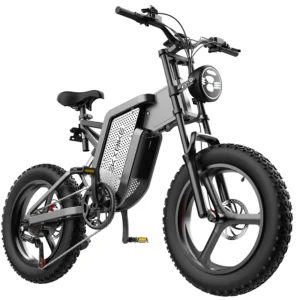 EKXBike X20 2000W 48V 35Ah >50km/t 31-60km 20" Mountainbike Elcykel
2 × 1 565,82 €
EKXBike X20 2000W 48V 35Ah >50km/t 31-60km 20" Mountainbike Elcykel
2 × 1 565,82 € 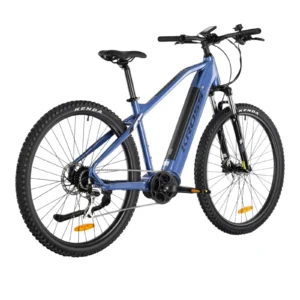 29 tommer elcykel til voksne, 518 Wh skjult batteri 250 W mellemmotor MTB, elektrisk mountainbike 8 gear, op til 120 km
2 × 1 274,19 €
29 tommer elcykel til voksne, 518 Wh skjult batteri 250 W mellemmotor MTB, elektrisk mountainbike 8 gear, op til 120 km
2 × 1 274,19 € 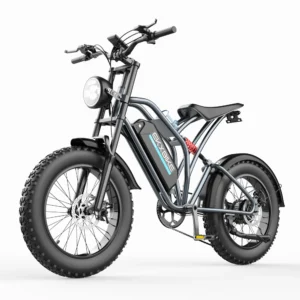 EKXBIKE T1 1000W 48V 20Ah 50 km/t 100 km 20" Elmotorcykel
1 × 982,07 €
EKXBIKE T1 1000W 48V 20Ah 50 km/t 100 km 20" Elmotorcykel
1 × 982,07 € 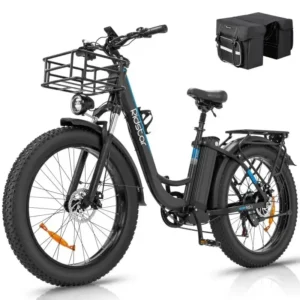 Ridstar MN26 1500W 48V 20Ah 30-50 km/t >60 km 26" City Elcykel
1 × 1 392,80 €
Ridstar MN26 1500W 48V 20Ah 30-50 km/t >60 km 26" City Elcykel
1 × 1 392,80 € 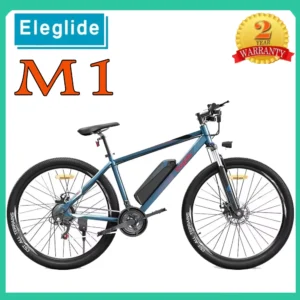 ELEGLIDE M1 Elcykel til voksne, opgraderet version, 27,5 tommer, mountainbike, urban cykel, 250W, Hall, børsteløs motor, SHIMANO gearskifter 21
1 × 974,95 €
ELEGLIDE M1 Elcykel til voksne, opgraderet version, 27,5 tommer, mountainbike, urban cykel, 250W, Hall, børsteløs motor, SHIMANO gearskifter 21
1 × 974,95 € 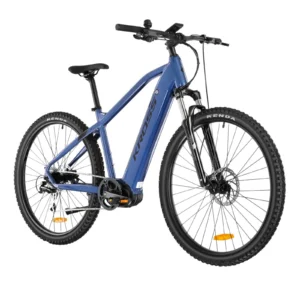 Elektrisk cykel med mellemmotor 250W 12AH 29 * 2,25 elcykel 25 km/t billig elcykel til voksne elcykel til mænd kraftfuld mountainbike eMTB
2 × 1 250,28 €
Elektrisk cykel med mellemmotor 250W 12AH 29 * 2,25 elcykel 25 km/t billig elcykel til voksne elcykel til mænd kraftfuld mountainbike eMTB
2 × 1 250,28 € 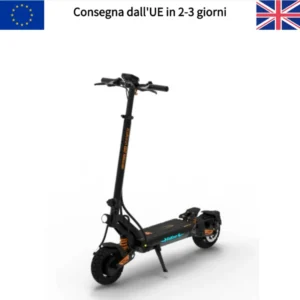 KuKirin G2 Master 1000W 52V 20,8Ah 60 km/t ≤70 km 10" elektrisk løbehjul med dobbelt motor
2 × 1 056,91 €
KuKirin G2 Master 1000W 52V 20,8Ah 60 km/t ≤70 km 10" elektrisk løbehjul med dobbelt motor
2 × 1 056,91 € 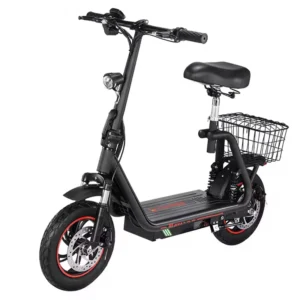 Honeywhale M5 Pro-S 500W 48V 13Ah 48 km/t 40-60 km 12" El-løbehjul
1 × 533,84 €
Honeywhale M5 Pro-S 500W 48V 13Ah 48 km/t 40-60 km 12" El-løbehjul
1 × 533,84 € 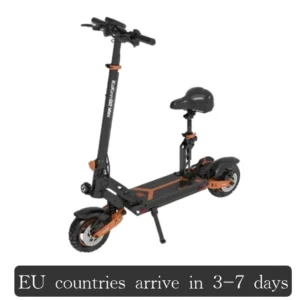 Kukirin G2 Max 1000W 48V 20,8Ah 55 km/t ≤70 km 10" Tohjulet Scooter
2 × 1 056,91 €
Kukirin G2 Max 1000W 48V 20,8Ah 55 km/t ≤70 km 10" Tohjulet Scooter
2 × 1 056,91 € 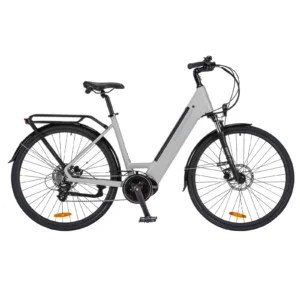 Dame elcykel eCity 43,2 V 250 W M200 mellemmotor City elcykel Pedelec, 12 Ah batteri, 8 gear,
1 × 1 180,46 €
Dame elcykel eCity 43,2 V 250 W M200 mellemmotor City elcykel Pedelec, 12 Ah batteri, 8 gear,
1 × 1 180,46 € 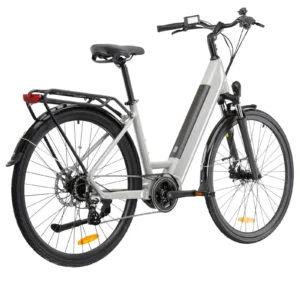 Elcykel, City Bike, Elcykler, Elcykel 43 V 12 Ah Batteri op til 150 km, Elcykel 28 tommer, Elcykel 250 W Motor Maks. 25 km/t
1 × 1 179,71 €
Elcykel, City Bike, Elcykler, Elcykel 43 V 12 Ah Batteri op til 150 km, Elcykel 28 tommer, Elcykel 250 W Motor Maks. 25 km/t
1 × 1 179,71 € 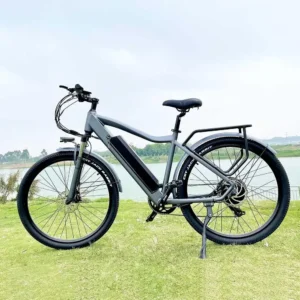 CMACEWHEEL F26 500W 48V 17Ah 38-42 km/t 110 km 29" El-bycykel
1 × 1 131,35 €
CMACEWHEEL F26 500W 48V 17Ah 38-42 km/t 110 km 29" El-bycykel
1 × 1 131,35 € 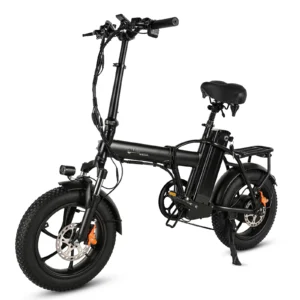 CMACEWHEEL AC16 250W 48V 18Ah 25 km/t 31-60 km 20" Sammenklappelig Elcykel
1 × 910,08 €
CMACEWHEEL AC16 250W 48V 18Ah 25 km/t 31-60 km 20" Sammenklappelig Elcykel
1 × 910,08 € 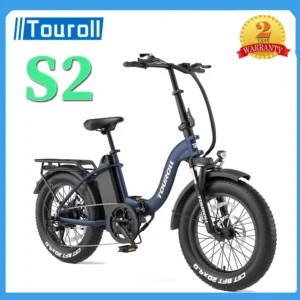 Touroll S2 Voksencykler 20" 250W Motor Elcykler 25 km/t 720Wh Batteri 120 km Rækkevidde 48V 15Ah Elcykler
1 × 1 269,45 €
Touroll S2 Voksencykler 20" 250W Motor Elcykler 25 km/t 720Wh Batteri 120 km Rækkevidde 48V 15Ah Elcykler
1 × 1 269,45 € 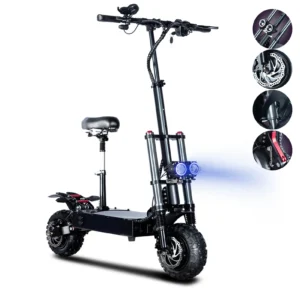 X10 El-scooter, X10, 6000W, 60V, 40Ah, 75-85 km/t, 60-100 km, 11" Offroad-scooter
1 × 1 404,01 €
X10 El-scooter, X10, 6000W, 60V, 40Ah, 75-85 km/t, 60-100 km, 11" Offroad-scooter
1 × 1 404,01 € 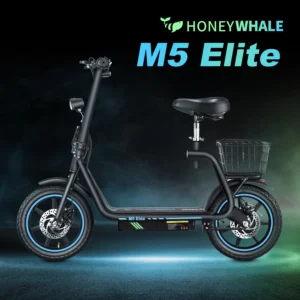 HONEYWHALE M5 Elite El-løbehjul til voksne med sædepeak 750W motor 45 km maks. rækkevidde 40 km/t 14" dæk 48V13Ah batteri EL-løbehjul
2 × 897,70 €
HONEYWHALE M5 Elite El-løbehjul til voksne med sædepeak 750W motor 45 km maks. rækkevidde 40 km/t 14" dæk 48V13Ah batteri EL-løbehjul
2 × 897,70 € 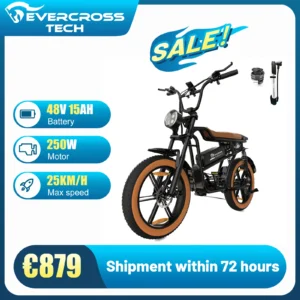 EVERCROSS EK30 250W 48V 15Ah 25 km/t 100 km 20" Standard Elcykel
1 × 953,06 €
EVERCROSS EK30 250W 48V 15Ah 25 km/t 100 km 20" Standard Elcykel
1 × 953,06 € 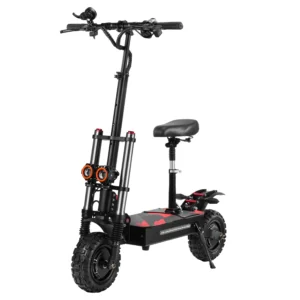 BOYUEDA S3-11 El-løbehjul 6000W Dobbelt Kraftig Motor 60V38AH Batteri 120KM Maks. Rækkevidde 85KM/T Hastighed Sammenklappelig El-løbehjul til Voksen
1 × 2 281,37 €
BOYUEDA S3-11 El-løbehjul 6000W Dobbelt Kraftig Motor 60V38AH Batteri 120KM Maks. Rækkevidde 85KM/T Hastighed Sammenklappelig El-løbehjul til Voksen
1 × 2 281,37 € 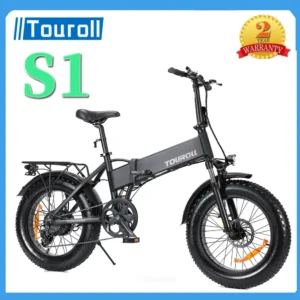 Touroll S1 Electric Fat Bike 25 km/t 20'x4.0' Fat Dæk 60 Nm Moment 15.6Ah 100 km Rækkevidde 7-Speed Shimano Gear Elcykler
1 × 1 362,45 €
Touroll S1 Electric Fat Bike 25 km/t 20'x4.0' Fat Dæk 60 Nm Moment 15.6Ah 100 km Rækkevidde 7-Speed Shimano Gear Elcykler
1 × 1 362,45 € ![[TIL SALG] Elektrisk Mountainbike 29 tommer 8 gear Elcykel 250W Midtermotor 43V12AH Aftageligt batteri Elcykel til voksne Kraftig MTB](https://electricstore.eu/wp-content/uploads/2025/05/kf-S545b53ca0d344851bb43ea47488b02af8-300x300.webp) [TIL SALG] Elektrisk Mountainbike 29 tommer 8 gear Elcykel 250W Midtermotor 43V12AH Aftageligt batteri Elcykel til voksne Kraftig MTB
2 × 1 251,04 €
[TIL SALG] Elektrisk Mountainbike 29 tommer 8 gear Elcykel 250W Midtermotor 43V12AH Aftageligt batteri Elcykel til voksne Kraftig MTB
2 × 1 251,04 € 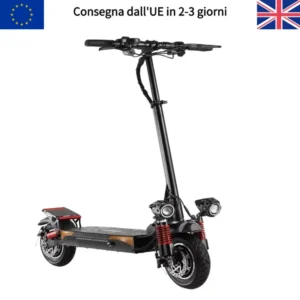 Electrib X4 1600W 48V 17,5Ah 45 km/t 70 km 10" elektrisk løbehjul med dobbelt motor
1 × 828,38 €
Electrib X4 1600W 48V 17,5Ah 45 km/t 70 km 10" elektrisk løbehjul med dobbelt motor
1 × 828,38 € 



 Danish
  English
  German
  French
  Polish
  Finnish
  Estonian
  Latvian
  Lithuanian